
Digestate Treatment
Digestate Management and Resource Recovery
ESMIL provides integrated digestate solutions for thickening, dewatering and resource recovery, helping operators improve process efficiency while reducing the volume of residual waste streams.

Digestate Treatment
Digestate generated during anaerobic digestion contains valuable nutrients, organic matter and water that can be recovered and reused. Effective digestate treatment is essential for reducing storage and transportation costs, optimizing nutrient recovery and supporting sustainable operation of biogas and anaerobic digestion facilities.
ESMIL provides integrated digestate solutions for thickening, dewatering and resource recovery, helping operators improve process efficiency while reducing the volume of residual waste streams.
Who Is Digestate Treatment For?
ESMIL digestate treatment solutions are designed for facilities generating digestate from anaerobic digestion processes, including:
- Agricultural biogas plants
- Industrial biogas facilities
- Food and beverage processing plants with anaerobic digestion systems
- Municipal wastewater treatment plants with anaerobic sludge digestion
- Organic waste treatment and resource recovery facilities
These facilities can benefit from improved digestate management, reduced operating costs and enhanced resource recovery.
Why Is Digestate Treatment Challenging?
Digestate from anaerobic digestion is a highly diluted suspension containing fine particles, dissolved compounds and valuable nutrients. Most digestate streams contain only 2-10% dry solids and exhibit poor settling characteristics, although their composition may vary depending on the feedstock used.
The presence of fine particles, colloids and dissolved compounds often limits the effectiveness of gravity separation, creating the need for specialized thickening, dewatering and membrane treatment technologies capable of efficiently separating solid and liquid fractions.
Common Digestate Treatment Challenges
- High water content and large storage volumes
- Variable digestate composition depending on feedstock
- Difficult separation of fine and colloidal particles
- Transportation and disposal costs
- Nutrient management and environmental compliance requirements
Dewatering of Liquid Digestate
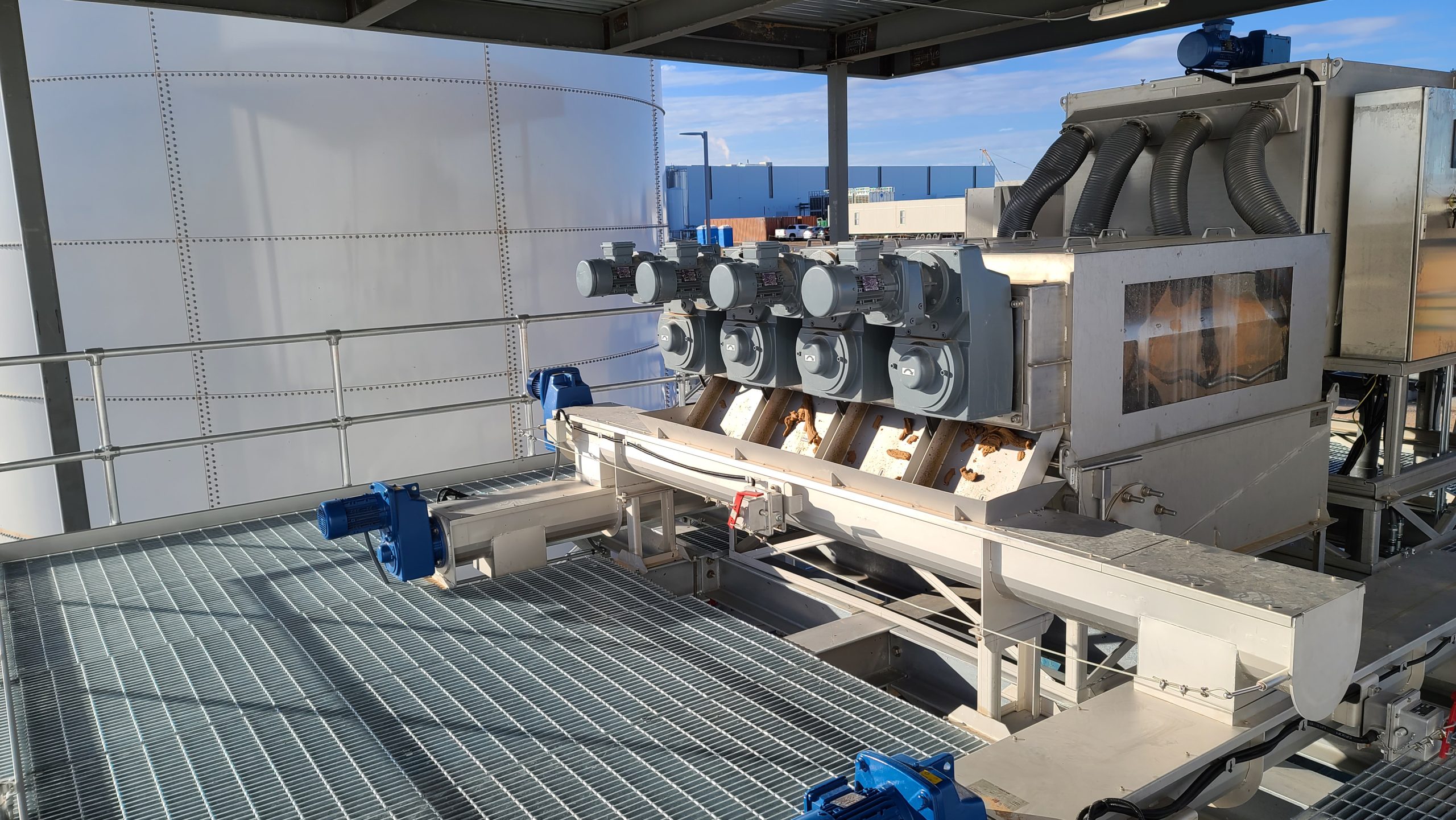
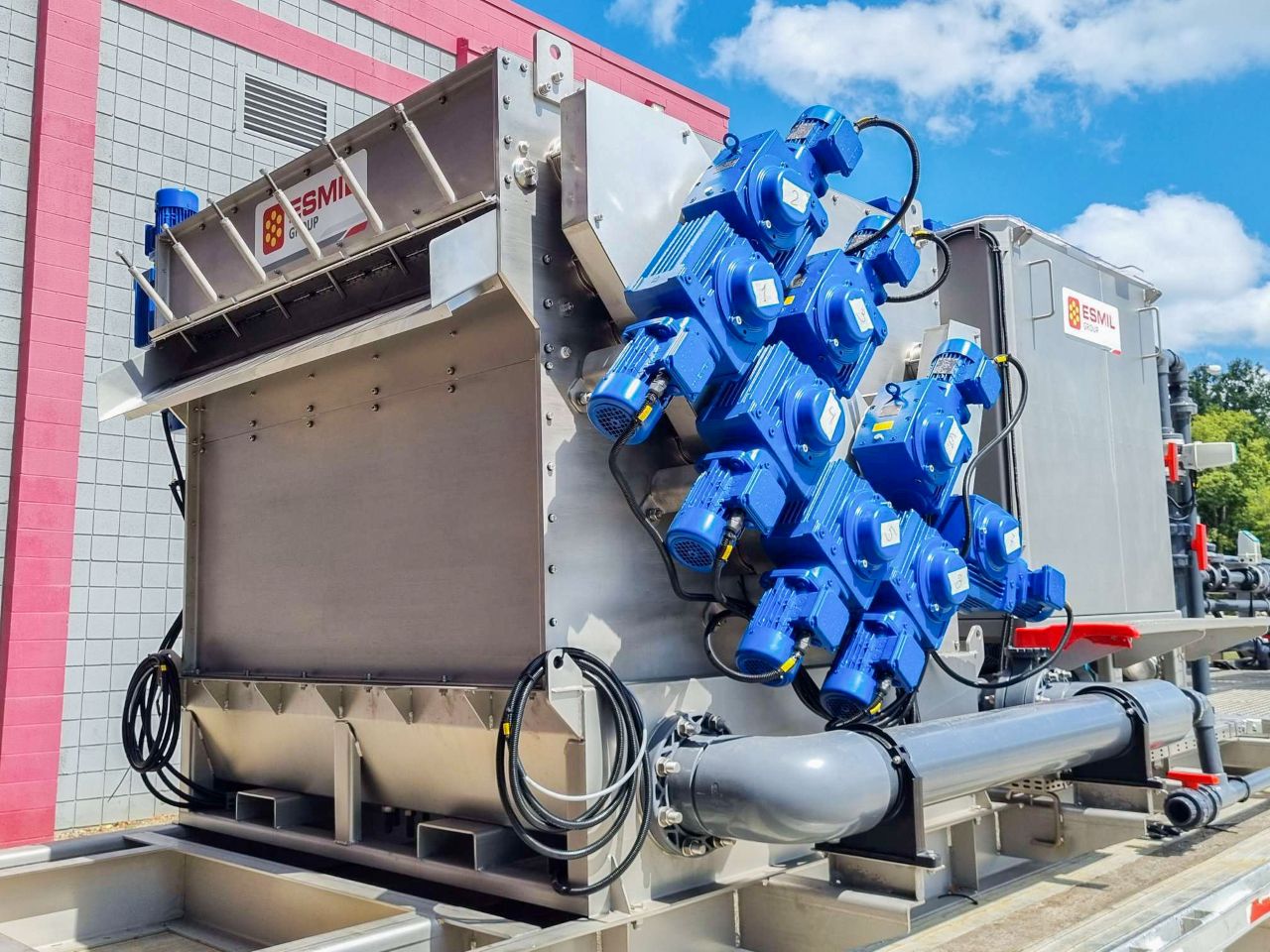
Digestate dewatering reduces water content, significantly decreasing material volume and making storage, transportation and further utilization more economical.
Effective dewatering of digestate also facilitates nutrient management, improves handling of the solid fraction and reduces overall operating costs of biogas and anaerobic digestion facilities. By reducing digestate volume, operators can lower transportation and storage costs while improving overall digestate management.
ESMIL Digestate Dewatering Solutions
Depending on digestate characteristics and project requirements, ESMIL offers several proven technologies for digestate thickening and dewatering:
- Multi-Disc Screw Press MDQ
- Roller Press JD
- Multi-Disc Sludge Thickener MDQ-T
- Containerized Sludge Dewatering Plant Module D
Our solutions are designed to handle the specific characteristics of digestate while ensuring reliable operation, low operating costs and efficient separation of solid and liquid fractions for downstream utilization or treatment.
Resource Recovery from Anaerobic Digestion
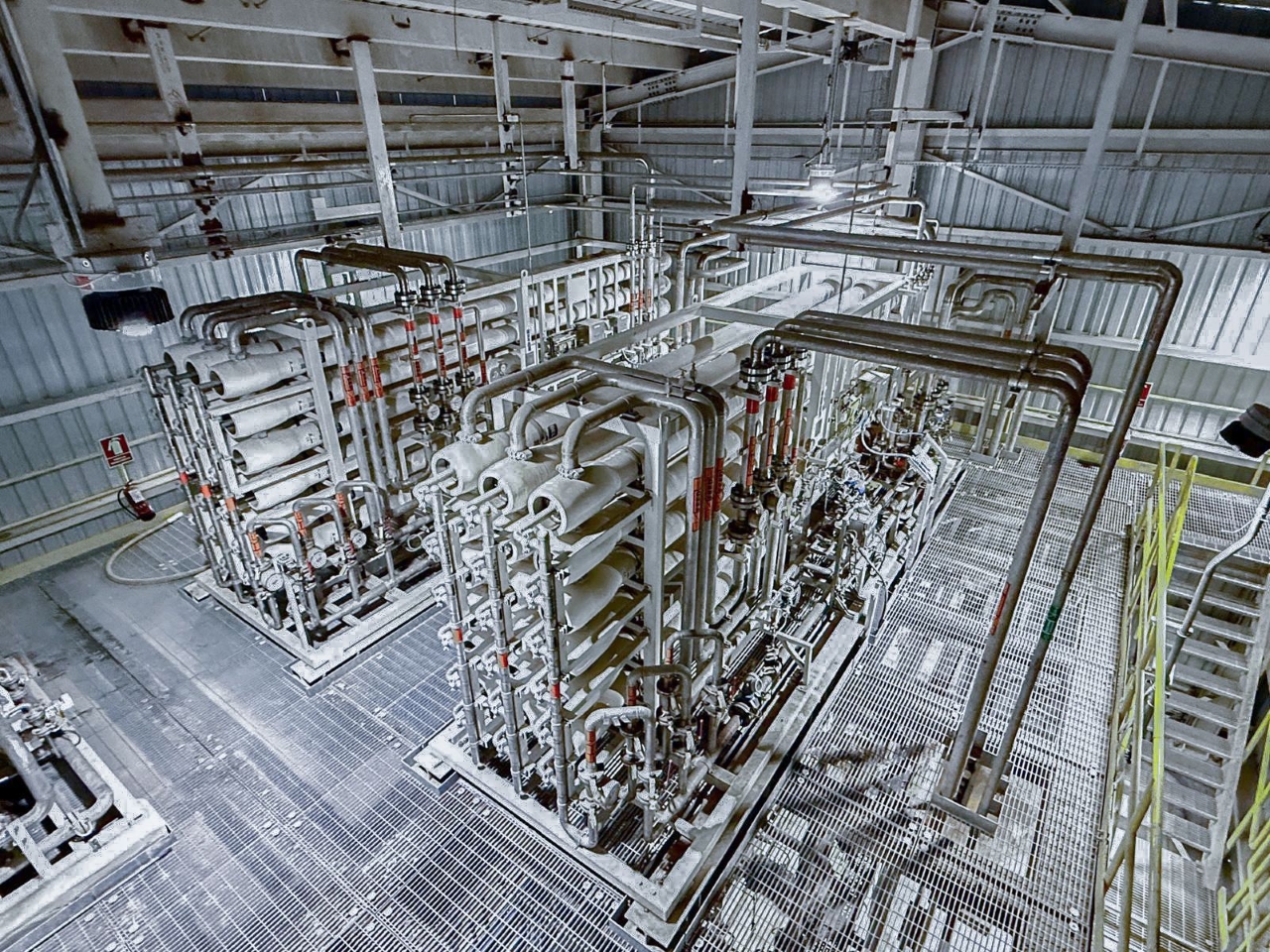
Even after dewatering, the liquid fraction of digestate contains dissolved nutrients and valuable process water that can be recovered and reused. Advanced membrane technologies enable the production of high-quality reclaimed water while concentrating nutrients for further utilization, helping operators improve digestate management, nutrient recovery and overall process sustainability.
ESMIL Membrane Systems for Water Recovery and Nutrient Concentration
ESMIL designs and supplies customized membrane systems based on technologies such as VSEP, reverse osmosis (RO) and nanofiltration (NF), supporting efficient water recovery and nutrient management in anaerobic digestion facilities.
These solutions help transform digestate from a residual stream into a valuable resource, supporting circular economy objectives and maximizing the recovery of water and nutrients.
What Happens to Digestate After Treatment?
Following treatment, including thickening, dewatering and membrane-based resource recovery, the solid and liquid fractions of digestate can be utilized in different ways depending on local regulations and project requirements.
- Agricultural land application
- Fertilizer production and nutrient recovery
- Composting and soil improvement applications
- Water reuse and process water recovery
- Concentrated nutrient streams for further utilization
Why Choose ESMIL Digestate Solutions?
- Complete solutions for thickening, dewatering and resource recovery
- Technologies adapted to different digestate characteristics
- Low operating costs and energy-efficient operation
- Pilot testing and process optimization support
- Experience in biogas, wastewater and industrial applications

Select dewatering equipment for me!
Please, fill in the questionnaire so that we can quickly and correctly choose the equipment for your project


